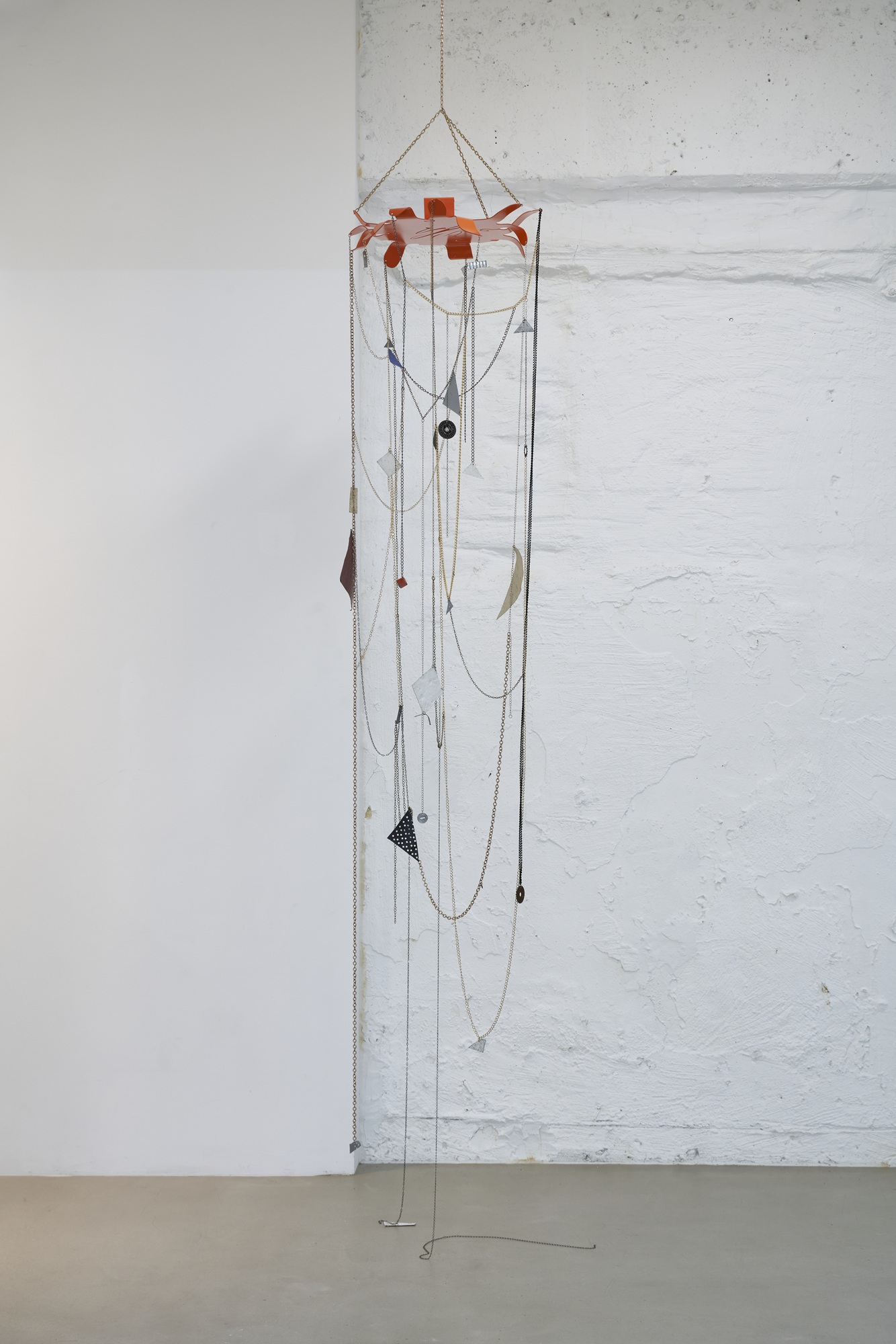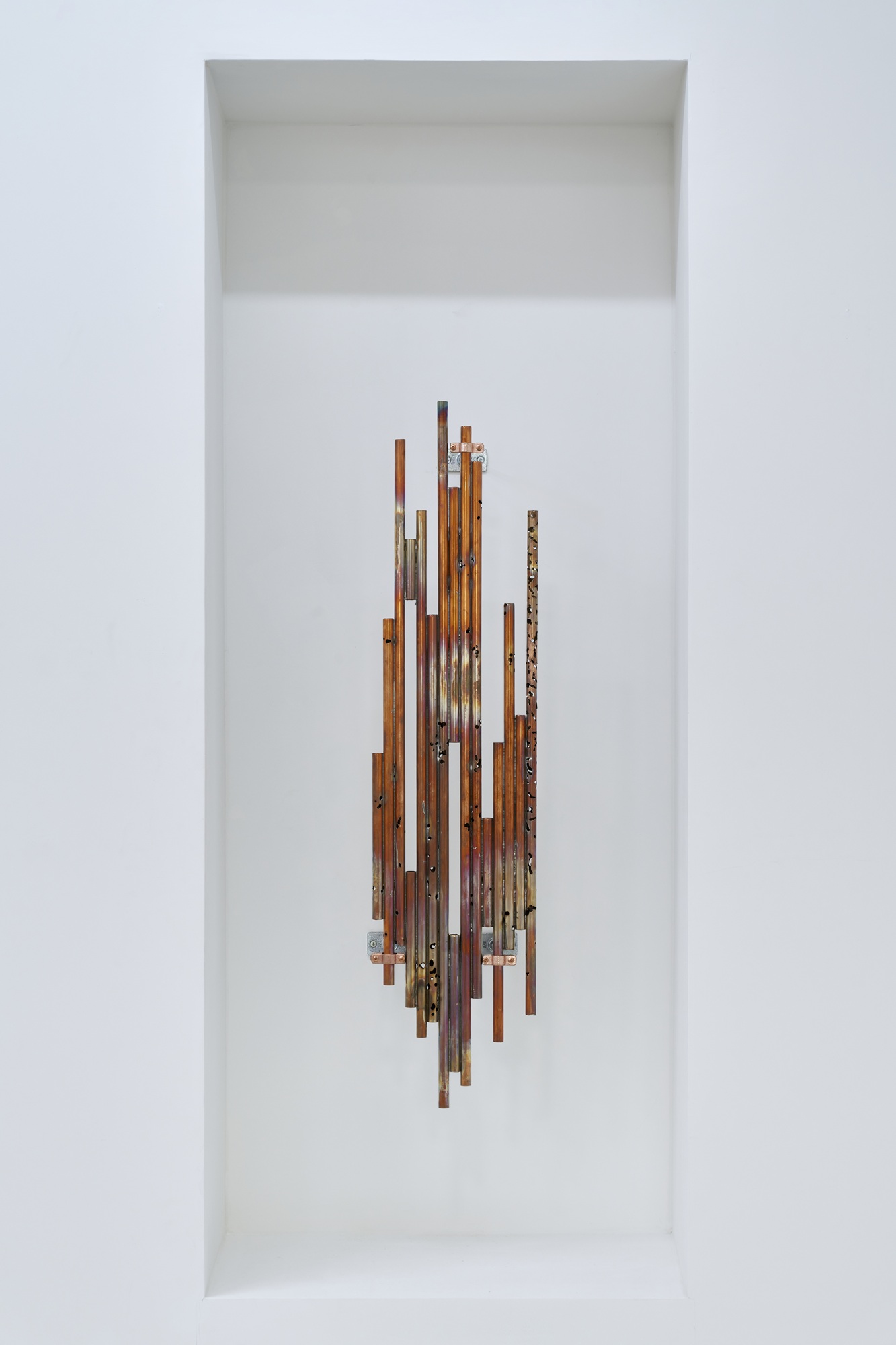

KOMPLEK presents jinseok choi's solo exhibition, running from May 8 to May 30. This is the artist's first solo exhibition in Korea. It features sculptures and site-specific installations from 2026, previously shown in February at Cevera Yoon Gallery in Los Angeles, alongside works that have been introduced in various forms — exhibitions and workshops — at institutions such as GOBI (Los Angeles, CA) and the New Museum (New York, NY) over the past several years.
choi has explored the horizon of social roles that art can perform. Using homes and schools slated for demolition in redevelopment zones as exhibition spaces, the artist has developed installation works from waste materials gathered on-site, offering new visual approaches to spaces and objects on the verge of disappearance. In other works, the artist collaged drawings, texts, and printed matter along the invisible outlines of utility structures hidden within the walls of white cube galleries, metaphorically addressing the concealed labor history of immigrants — foundational to American industrial development yet insufficiently illuminated. Idleground (2024), made from scrap wood and leftover fabric — byproducts of carpentry — serves as the artist's sculptural response to the polarization and isolation between socioeconomic classes, revisiting the culture of the Korean pyeongsang (a traditional low outdoor platform). Elevating to primary material the objects behind the "finished" result —废 architectural materials, internal structural elements rather than exterior facades, wood scraps and sawdust left after carpentry and manufacturing — constitutes both a sculptural inquiry into rigid notions surrounding art and labor, process and result, primary and secondary, high and low, and the source of the distinctive materiality and aesthetic sensibility that defines choi's practice.
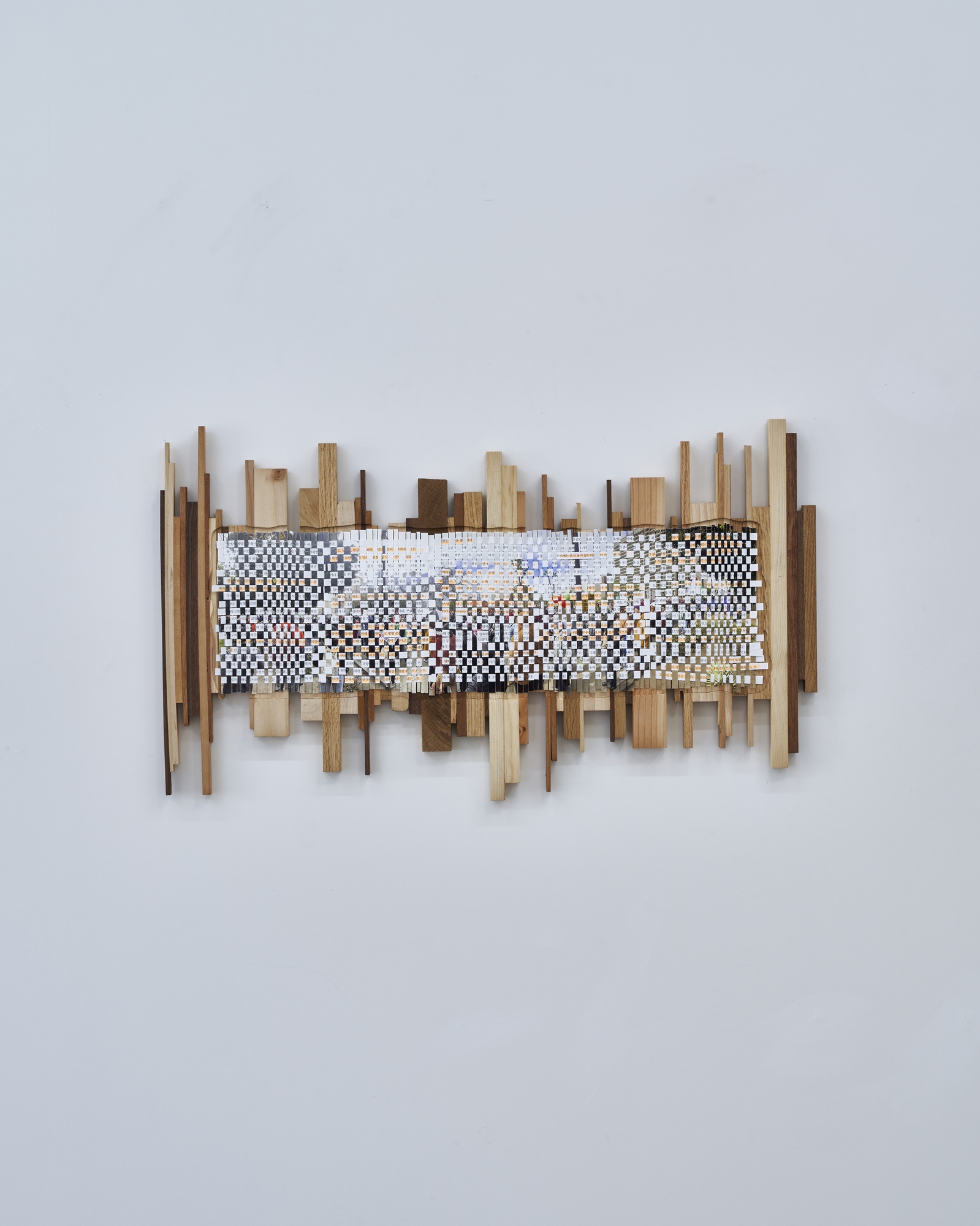
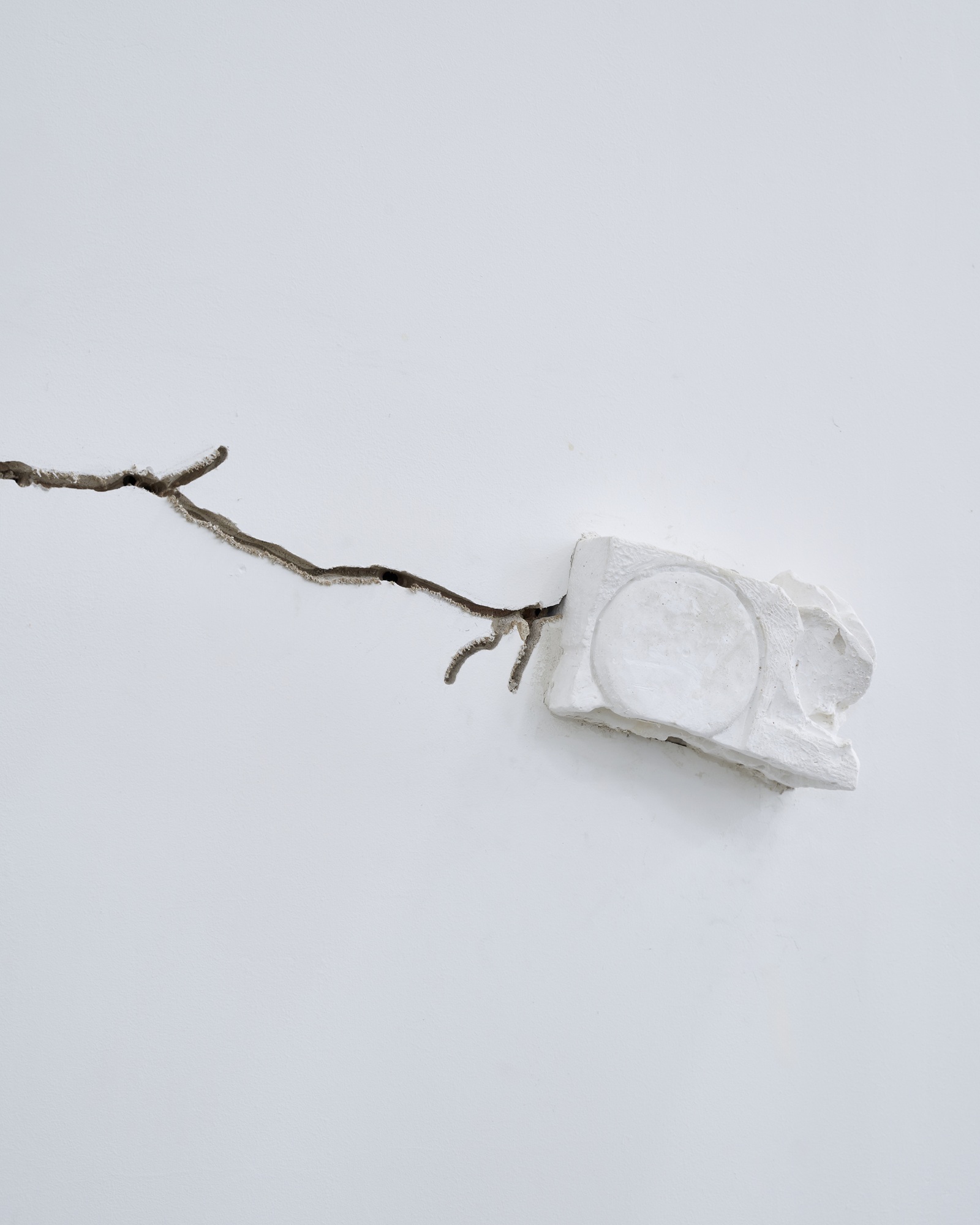
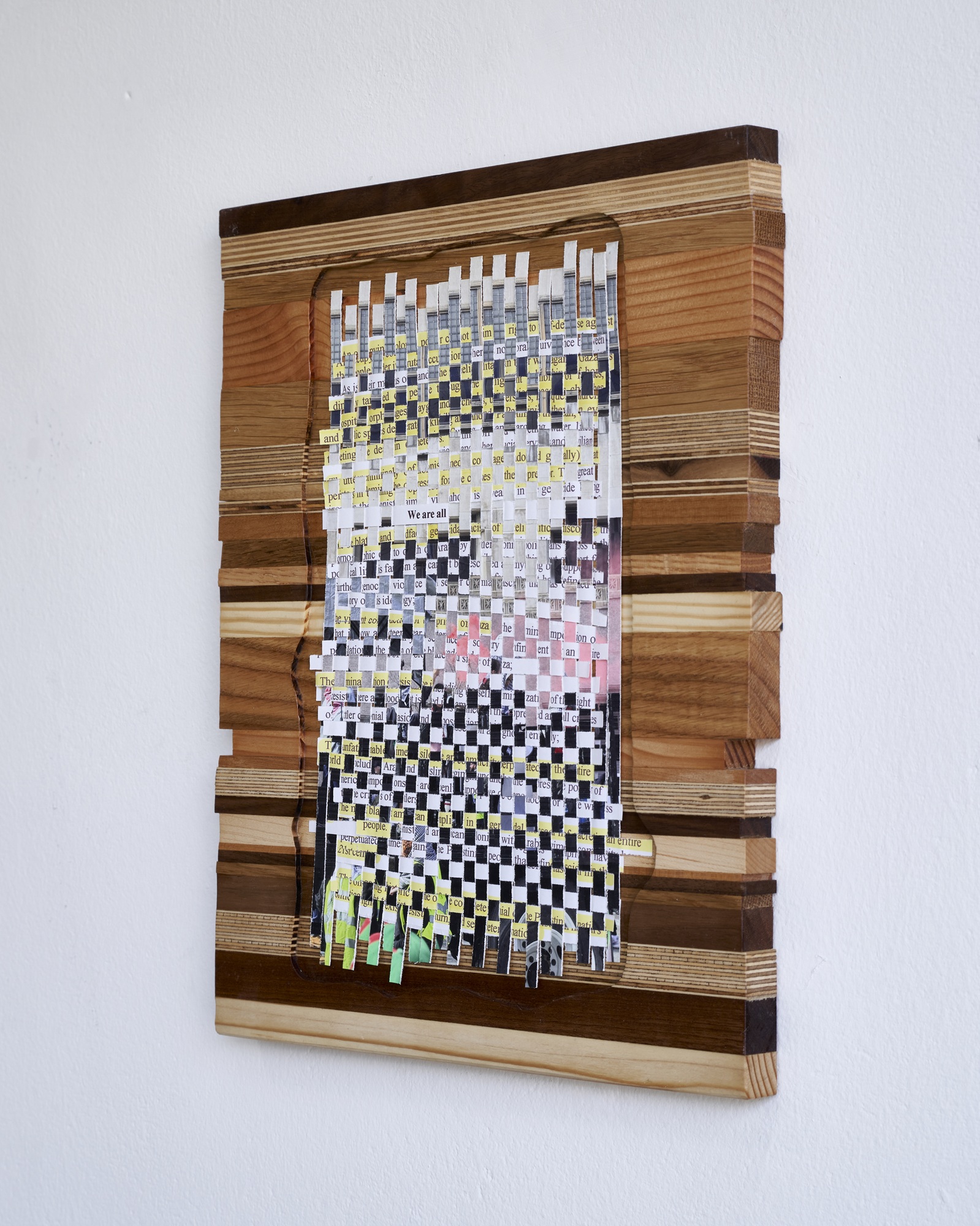
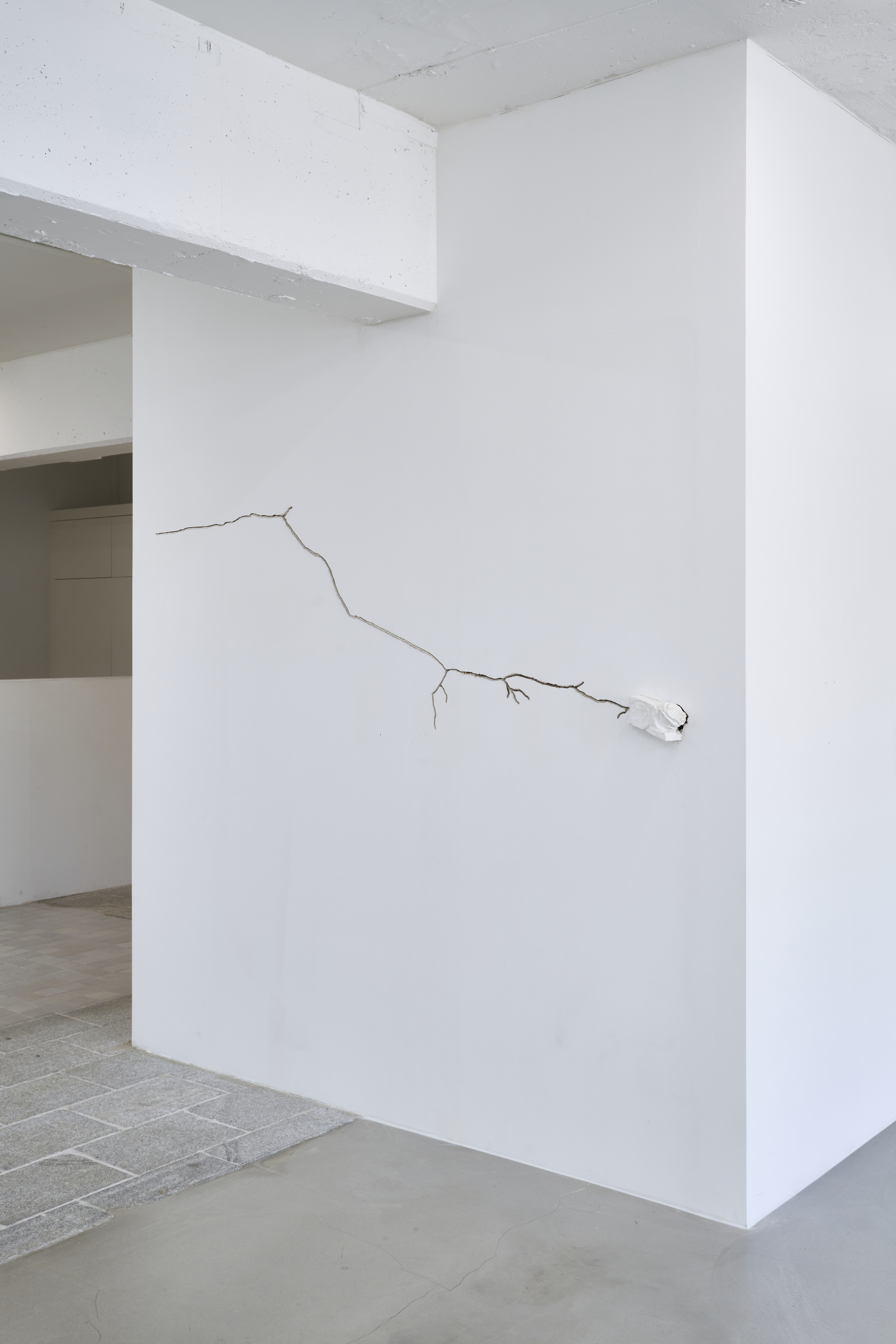
In this exhibition, the artist presents sculptures made with sound and weaving. These works are a sculptural response to the political and social pressures the artist has experienced as a non-permanent resident in the United States, drawing on social media messages and online records that had to be hidden or deleted in preparation for immigration screenings — along with the conversations, meanings, and symbols contained within them. Works at the entrance of the exhibition space, as well as A Rose In/From/To You — installed by cracking open the wall — and a pyeongsang-shaped piece, all contain transducers that emit sound composed by the artist in collaboration with a composer. This sound is a multi-channel audio piece created by vocally reconstructing lost conversations with friends and colleagues, then manipulating the conversations so they become illegible; it reverberates through the exhibition space, vibrating the sculptures and walls. Other works — including Who Is Not Here?, 이제는 혼자 울지 않는다 (I No Longer Cry Alone), and additional pieces — are all constructed by joining wood byproducts into solid panels, onto which shredded photographs and printed materials are interwoven. These paper fragments overlap and obscure one another's images, passages, and phrases. The conversations and texts hidden by sound and weaving span a wide range: reflections shared with colleagues on the current time; exchanges about the joys and fatigue of making work; photographs carrying personal and collective memories; books and online articles on labor and collectivity. These works suggest a reality in which the blurred boundary between public and private, and its influence upon individual lives, are in constant flux depending on the ever-changing nature of time and social structures.
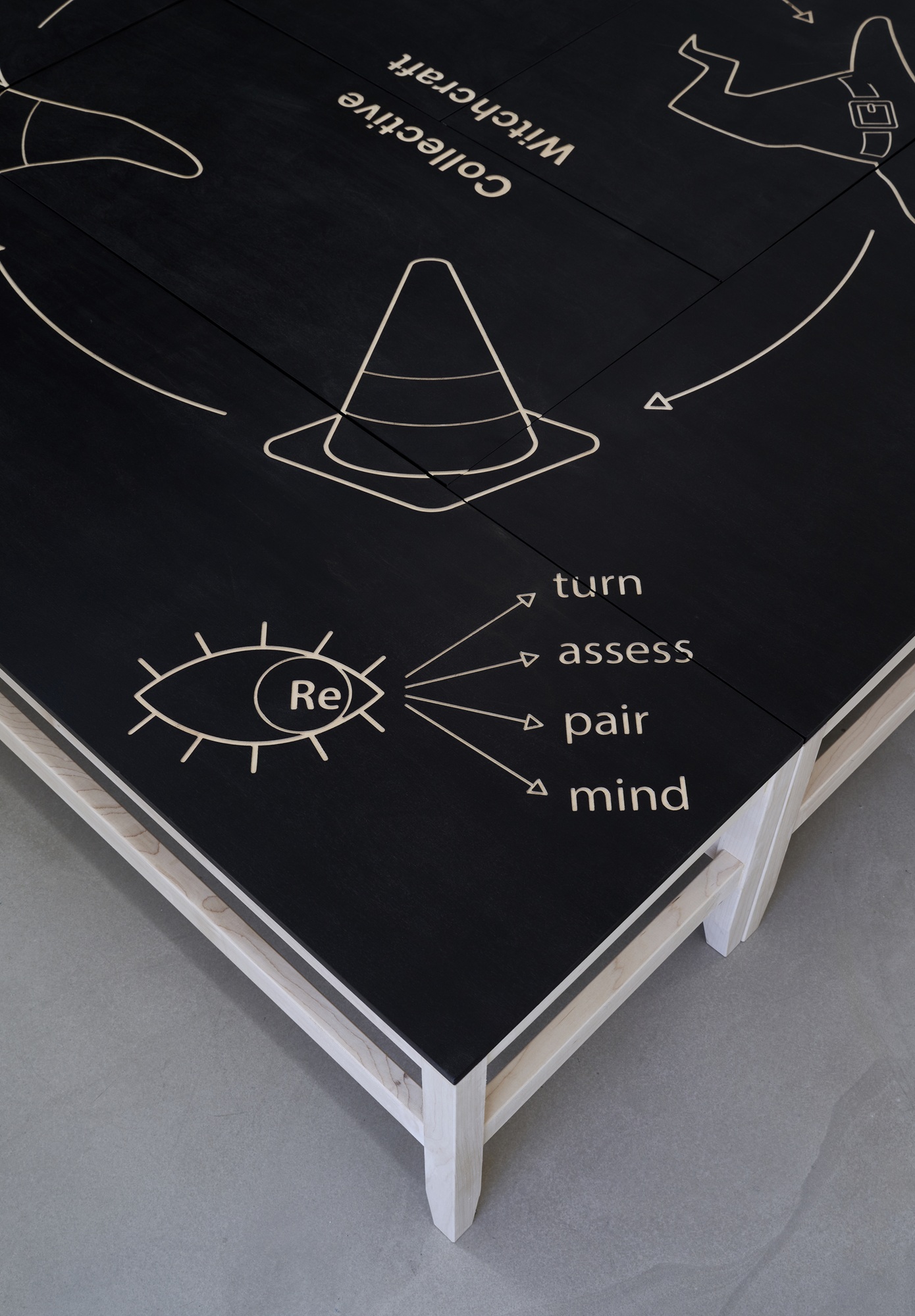
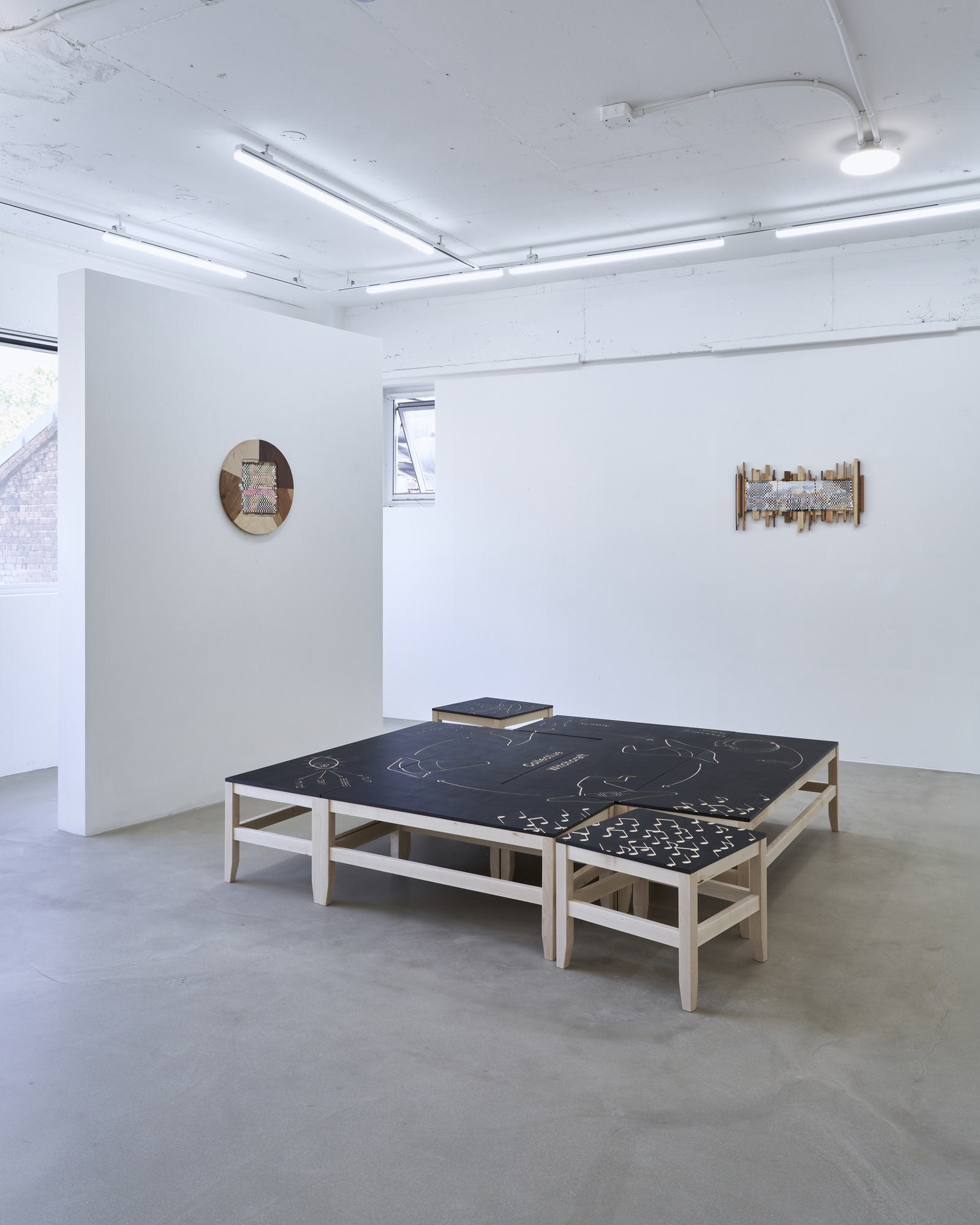
choi's work often carries an affirmation and optimism toward collectivity. Installed at the center of the gallery space is a Pyeongsang-inspired sculpture and seating platform with a diagram engraved onto its surface. The phrase "Collective Witchcraft," from which the exhibition takes its title, is placed at the center of the diagram, surrounded by the cyclical transformation between a traffic cone and a witch's hat, and annotated with texts, diagrams, and sheet music. All of these riddling clues hint at the magical potential of communities and collective efforts that the artist has directly or indirectly experienced and witnessed. Between Our Palms foregrounds an even more intimate community. This series of incense sculptures, shaped by the impressions of 26 participants' palms pressed together, is made by kneading sawdust collected from the artist's woodworking labor, essential oil, and glue powder; when lit, they offer an olfactory experience. Through this work, the artist sculpturally evokes and celebrates the countless hours of labor and effort we bring collectively to create and experience art. Attending to communities both near and far, choi continues to explore the scope and methods by which collectivity can be interpreted and generated through art — and this has become his way of participating in the world as both a member of society and one who has chosen to communicate through an art practice.
콤플렉스는 5월 8일부터 5월 30일까지, 최진석 작가의 개인전 《Collective Witchcraft》를 개최한다. 이번 전시는 작가가 한국에서 가지는 첫 번째 개인전으로, 지난 2월 미국 로스앤젤레스 소재 Cevera Yoon 갤러리에서 선보였던 2026년작 조각 및 장소 특정적 설치물과 더불어 지난 몇 년 간 GOBI(Los Angeles, LA), New Museum(New York, NY) 등 다양한 성격을 가진 기관에서 전시와 워크숍의 형태로 소개한
최진석은 미술이 수행할 수 있는 사회적 역할의 지평을 탐구해 왔다. 재개발 구역 내 철거를 앞둔 주택과 학교를 전시 공간 삼아, 현장에서 획득한 폐 자재로 설치 작업을 전개해 사라질 공간과 사물을 향한 새로운 시각적 접근을 제시하거나, 화이트 큐브 전시장의 벽 내부, 보이지 않는 설비 구조물의 윤곽을 따라 드로잉과 텍스트, 인쇄물을 콜라주 해 미국 산업 발전의 근간임에도 충분히 조명된 바 없는 이민자들의 가려진 노동사를 은유하기도 했다. 목공 작업의 부산물인 자투리 목재와 쓰고 남은 천 조각들로 만든 설치작 <Idleground(2024)>는 사회경제적 계급 간 양극화와 고립을 향한 작가의 조형적 대응으로, 한국의 ‘평상’ 사용 문화를 복기한다. 폐 건축 자재, 건물의 외관이 아닌 내부 구조, 목공과 제조가 행해진 후 남겨진 나무 자투리와 톱밥 등 ‘완성’된 결과물 뒤켠의 사물을 조형의 주 재료로 ‘격상’하는 것은 미술과 노동, 과정과 결과, 주(主)와 부(副), 상과 하를 둘러싼 경직된 관념에 대한 조형적 질의의 방안이자 최진석의 작업들이 지니는 고유한 물성과 미감의 연원이 되고 있다.
이번 전시에서 작가는 소리(sound)와 직조(weaving)로 만든 조각을 선보인다. 이 작업들은 작가가 미국에서 비 영주권자로서 겪어 온 정치사회적 압력을 향한 조형적 반응으로, 체류 심사를 대비해 감추거나 삭제해야 했던 SNS 메시지와 온라인 기록물, 그 안에 담겨 있던 대화와 의미, 상징들을 재료로 삼는다. 전시장 입구의
최진석의 작업은 종종 공동체성을 향한 긍정과 낙관을 내재한다. 전시장 가운데 놓인